Age Places: Prevention & Treatment Choices
페이지 정보

본문
They do not hurt, and they do not typically turn into anything harmful, however they can often look like skin problem that do require clinical focus. National Collection of Medication, age spots can be gray, tan, brown or black and appear as level spots on your skin. They can appear as round, Brooke oval or irregularly shaped lesions of various sizes. Most individuals typically experience age spots in sun-exposed distribution including on their face, shoulders, back, hands and feet.
Nevertheless, some people might opt to have them gotten rid of for enhanced appearances. Chemical PeelsChemical peels are cosmetic procedures that make use of different chemical options to scrub your skin. Similar to dermabrasion, the exfoliative process can peel off away or lighten age spots, causing younger-looking and smoother skin. Topical CreamsHydroquinone (a skin whitening cream) and tretinoin (a retinoid) are one of the most typically made use of topical treatments for the therapy of unwanted dark spots. Topical creams having among these active ingredients or combinations of these active ingredients are frequently used to discolor age spots. While age places don't require medical therapy, a few key indicators can suggest it's time to arrange an appointment with your physician or skin specialist.
- Ultraviolet (UV) radiation from the sunlight stimulates the production of melanin in the skin, leading to the formation of dark areas in time.
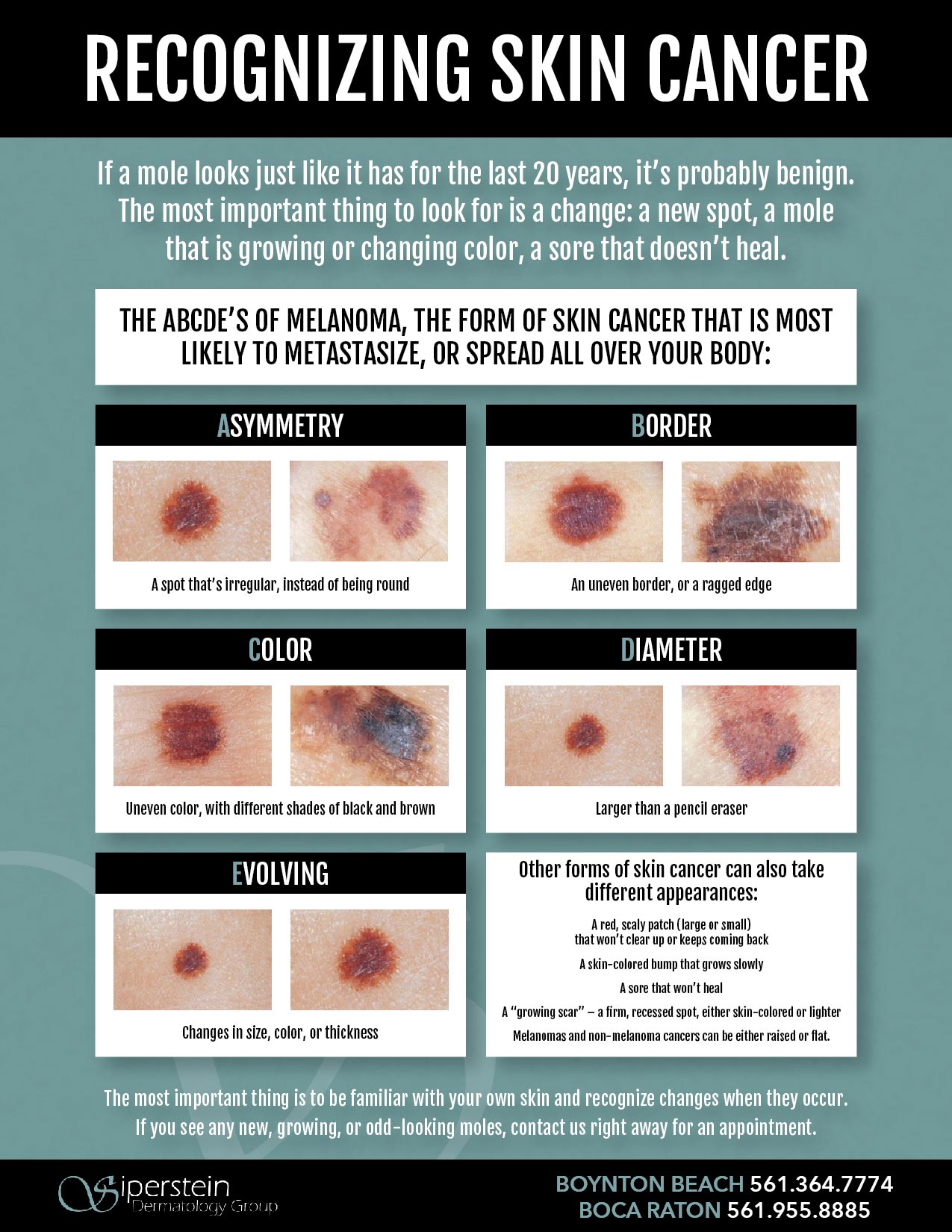
- Age detects themselves are harmless, however it's feasible to error them for indications of skin cancer cells.
- Age spots are brownish, grey or black areas that show up on the skin.
- Age places are safe changes to the skin that do not trigger pain.
- Topical lotions containing one of these ingredients or mixes of these active ingredients are commonly used to discolor age places.
Age spots-- in some cases called solar flare, liver places, or lentigines-- are level, darkened patches that establish on sun-exposed skin. These places generally vary from tan to dark brown and can differ in size from tiny freckles to bigger patches over half an inch throughout. They most frequently appear on the backs of hands, lower arms, face, shoulders, and upper back. While they're called "age places," they're actually much more related to sun direct exposure than maturing itself, though they do end up being much more widespread after age 40. While age spots pose no clinical risk, many patients select to have them dealt with for aesthetic reasons. Throughout your assessment, we'll evaluate your skin kind, the level of pigmentation, and your goals to advise one of the most suitable treatment plan.
Medical Procedures
Flat, oblong locations of coloring, age places often tend to appear on parts of the body, such as the face, hands, arms, shoulders and feet, that are subjected to the sun. Most usual in people older than 40, they can be freckle-sized or greater than a half-inch in length, and variety in shade from light brown to black. Age areas frequently base on areas of the body that are most frequently revealed to the sun, like the face, hands, neck, décolletage location, limbs. The main offender behind age places is cumulative ultraviolet (UV) direct exposure from the sunlight or tanning beds. When your skin is exposed to UV rays gradually, it produces excess melanin-- the pigment that offers skin its color-- as a safety action.
Laser Resurfacing
These pigmentary changes normally begin showing up in midlife, though people with considerable sun exposure may create them previously. Age areas are mostly caused by extended exposure to the sunlight's harmful ultraviolet (UV) rays. Gradually, this direct exposure can lead to a build-up of melanin, the pigment in charge of Preventative Skin Care shade. This excess melanin types dark places or spots on the skin, generally appearing on locations regularly exposed to the sunlight, such as the face, hands, shoulders, and arms. While sunlight direct exposure is a main consider the growth of age areas, they can also happen in locations not straight revealed to the sunlight. Various other variables, such as genetics, can add to the formation of age places.
They generally take place on sun-exposed locations, like the backs of your hands and your face. Age spots are likewise called liver places, aged lentigo, solar lentigines, or sun spots. Prior to pursuing any kind of treatment choices for age areas, it is vital to acquire a proper diagnosis from a dermatologist. Age areas can typically be mistaken for various other skin problem, such as seborrheic keratoses, actinic keratoses, or perhaps skin cancer. A skin doctor can analyze the places and figure out the most appropriate strategy.
This melanin can glob with each other in focused areas, developing the visible dark areas you see. Aspects that raise your threat include reasonable skin, a history of regular sunlight exposure or sunburns, and genes. Previous skin injuries or trauma can also cause pigmentation changes in impacted locations. Age spots, additionally known as liver places or sunspots, are brought on by years of sunlight direct exposure. They're most usual in individuals over 50, but more youthful people who spend much time in the sunlight without security can also develop them. These areas differ in size and normally appear in areas that get the most sunlight.
- 이전글Teeth Lightening At The Dental Practitioner Exactly How Typically Required? 26.09.12
- 다음글dermal-fillers-in-preston 26.09.12
댓글목록
등록된 댓글이 없습니다.